
How Businesses Can Choose Compostable Bags for Different Applications
2026-10-2713 min read
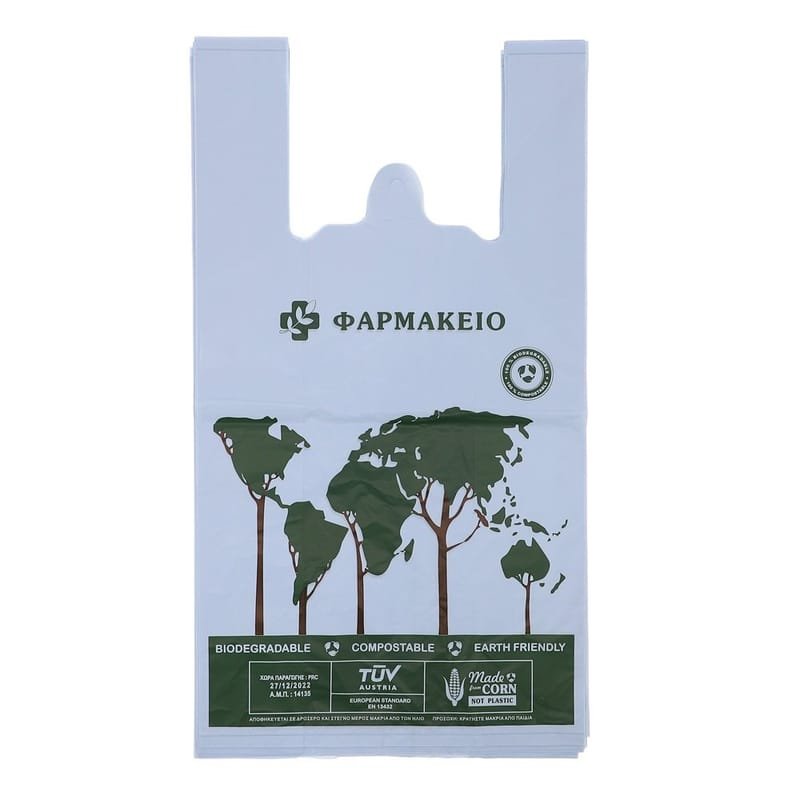
A practical B2B guide to choosing compostable bags for food packaging, retail, takeaway, industrial and event applications — covering materials, certifications, performance, suppliers and a step-by-step procurement process for eco-friendly packaging bags and sustainable packaging.
Introduction: Why Are Businesses Choosing Compostable Bags?
Compostable bags have moved from a niche eco-friendly packaging option to a core category in green procurement. Driven by plastic reduction policies, single-use plastic bans and the EU PPWR, businesses across food production, retail, hospitality and logistics now source compostable bags to replace conventional plastic carriers and liners. Compostable bags are certified to return fully to soil, leaving no microplastics — a measurable sustainability advantage over traditional plastic bags.
Changing consumer expectations also push the shift. Customers increasingly expect eco-friendly packaging bags and reward brands that adopt sustainable packaging. For brand managers and distributors, compostable bags are not only a compliance tool but a positioning asset: compostable packaging signals environmental responsibility, supports ESG goals and differentiates products on crowded shelves. This guide explains how businesses can choose compostable bags for different applications — from compostable garbage bags to retail carriers and industrial liners.
What Are Compostable Bags?
Compostable bags are packaging bags made from plant-derived resins that microorganisms fully convert into water, carbon dioxide and biomass under composting conditions. Unlike traditional plastic bags, certified compostable bags leave no toxic residue and no microplastics. A bag can only be sold as compostable bags when it carries an accredited certificate such as EN 13432, ASTM D6400, OK Compost INDUSTRIAL, OK Compost HOME or BPI.
The difference between compostable, biodegradable and traditional plastic bags matters for compliance. Compostable bags are certified to fully biodegrade within a defined timeframe (180 days industrial, 12 months home). "Biodegradable" alone has no time limit or certification. Traditional plastic bags persist for centuries and fragment into microplastics. Only certified compostable bags are accepted by municipal composting facilities.
Common materials behind compostable bags include PBAT (polybutylene adipate terephthalate), which provides flexibility and tear strength; PLA (polylactic acid) derived from corn, which adds rigidity; corn starch, which accelerates biodegradation; and other plant-based materials such as potato starch and cellulose. Together these produce compostable bags that match the strength of conventional plastic while remaining fully compostable.
Businesses must also distinguish industrial composting from home composting. OK Compost INDUSTRIAL certified compostable bags require the higher temperatures of municipal compost facilities. OK Compost HOME certified compostable bags biodegrade even at ambient garden-compost temperatures. Matching the composting scope to your market is essential when choosing compostable bags.
Main Business Applications for Compostable Bags
Compostable bags serve a wide range of business applications. Each application has different performance requirements, so choosing compostable bags means matching the bag type, thickness and material to the use case while keeping the same certified compostable end-of-life.
Food Production and Food Packaging
In food production and food packaging, compostable bags protect fresh produce, bakery products and agricultural products while aligning with organic waste streams. Food manufacturers and distributors use compostable bags as produce bags, bread bags and inner liners that can go straight into food-waste collection alongside their contents — no de-bagging step required.
For food-contact applications, compostable bags must also comply with food-contact regulations such as EU Regulation 10/2011. Choosing certified compostable bags with food-contact compliance lets food brands close the loop: the packaging and the food waste biodegrade together in industrial compost.
Restaurants, Hotels and Takeaway Businesses
Restaurants, hotels and takeaway businesses are major users of compostable bags. Takeaway bags, food waste bags and shopping bags in compostable materials let hospitality brands replace conventional plastic while supporting organic waste collection. Compostable garbage bags used as kitchen caddy liners capture food scraps cleanly and compost fully with the waste.
For takeaway and delivery, compostable bags also meet growing customer expectations for eco-friendly packaging bags. A certified compostable takeaway bag reinforces a brand’s sustainability message at the moment of handover — a high-visibility touchpoint for environmentally conscious diners.
Retailers and Supermarkets
Retailers and supermarkets use compostable bags as shopping bags, produce bags and product packaging. Compostable shopping bags replace HDPE checkout carriers directly at the till, while compostable produce bags replace thin plastic fruit and vegetable bags. Both carry credible certification marks that resist greenwashing challenges.
For retailers, choosing compostable bags is also an opportunity to strengthen customer trust. Displaying the OK Compost or BPI mark with full documentation shows shoppers that the store’s sustainable packaging claims are verified — increasingly a requirement in retail and municipal tenders.
Industrial and Commercial Packaging
In industrial and commercial packaging, compostable bags serve as inner liners, warehouse packaging and logistics packaging. Compostable garbage bags handle facility waste, while compostable liners protect goods in transit and then compost at end-of-life instead of entering landfill.
These applications support green supply chain initiatives: companies tracking Scope 3 packaging impacts can substitute compostable bags for conventional plastic and document the reduction. Choosing compostable bags for industrial use balances load-bearing performance with a certified compostable end-of-life.
Events, Exhibitions and Public Institutions
Events, exhibitions and public institutions use compostable bags as waste collection bags and promotional packaging. Festivals, conferences and trade shows generate concentrated waste over short periods — compostable garbage bags let organisers collect organic waste and compostable serviceware together, diverting it from landfill.
Promotional packaging in compostable materials also supports ESG and sustainability campaigns. A branded compostable bag given away at an exhibition carries the brand’s message and then returns to soil, making it a tangible expression of a sustainability commitment.
What Should Businesses Consider When Purchasing Compostable Bags?
Choosing compostable bags for business use requires evaluating more than the certificate. Buyers should assess material composition and certifications, size, thickness and load-bearing capacity, moisture resistance and heat resistance, compatibility with automated packaging equipment, printing and customization options, minimum order quantity and production capacity, delivery schedule and supply stability, sample testing before mass production, and proper end-of-life disposal requirements.
Material composition and certifications come first: verify a valid certificate number with scope covering printed and coloured variants. Size, thickness and load-bearing capacity must match the application — a compostable shopping bag for groceries needs far higher tensile strength than a produce bag. Moisture resistance and heat resistance matter for food and takeaway use, while compatibility with automated packaging equipment determines whether compostable bags can run on existing lines without modification.
Printing and customization options let brands apply logos and designs within the certified compostable scope. Minimum order quantity and production capacity must fit demand, and delivery schedule and supply stability protect against stockouts. Above all, request sample testing before mass production to confirm real-world performance, and confirm the proper end-of-life disposal requirements so the compostable bags actually reach a composting environment.
Business Advantages of Compostable Bags
Switching to compostable bags delivers clear business advantages. First, compostable bags reduce dependence on conventional plastics, directly cutting plastic use. Second, compostable bags meet customer demand for eco-friendly packaging bags, satisfying environmentally conscious buyers. Third, compostable bags improve brand image and product differentiation through credible certification marks.
Compostable bags also support ESG and sustainability goals with auditable documentation. They offer customized sizes, colours and printed designs within the certified compostable scope, and they strengthen a company’s green product portfolio. For distributors, stocking compostable bags opens tenders that mandate certified compostable packaging.
Common Purchasing Mistakes
Several common purchasing mistakes undermine compostable bag programmes. Assuming every "biodegradable" bag is compostable is the most frequent error — only certified compostable bags qualify. Choosing only by price ignores certification and product performance, often leading to bags that fail in use or lack valid documentation.
Other mistakes include ignoring certification and product performance, failing to confirm local composting conditions (industrial vs home), skipping sample testing, and relying only on marketing claims without verifying supplier documents. Each mistake risks greenwashing exposure, failed tenders or bags that do not actually compost. Always request the signed PDF certificate scope, test report and declaration of conformity.
How to Choose a Reliable Compostable Bag Supplier
Choosing a reliable compostable bag supplier protects the integrity of the whole programme. Review the manufacturer’s manufacturing experience and quality systems — an in-house manufacturer that controls resin, film, printing and converting keeps the certificate scope uninterrupted from raw material to finished bag. Check the origin and composition of raw materials to confirm plant-derived PBAT, PLA and corn starch rather than conventional plastic blends.
Request testing reports and certification documents, not just logos. Evaluate customization, production capacity and delivery ability against your demand. Confirm sample support and after-sales service. Finally, choose a manufacturer familiar with export and international standards, so the compostable bags carry the right certifications for every target market — EN 13432 and OK Compost for Europe, ASTM D6400 and BPI for North America.
A Practical Procurement Process
A practical procurement process for compostable bags follows eight steps. First, define the intended application and operating environment — retail, food, takeaway, industrial or event. Second, confirm the required dimensions, thickness and load capacity. Third, select the right material and product structure for the use case.
Fourth, request samples and conduct performance tests under real conditions. Fifth, verify certifications and compliance documents, including food-contact compliance where relevant. Sixth, confirm printing, packaging, delivery and service details. Seventh, start with a small trial order before long-term purchasing to validate supply stability. Following this process de-risks the switch to compostable bags and ensures the eco-friendly packaging bags perform as promised.
Frequently Asked Questions About Choosing Compostable Bags
What is the difference between compostable bags and biodegradable bags?
Compostable bags are certified to fully biodegrade into biomass, water and CO₂ within a set timeframe (180 days industrial, 12 months home) and leave no toxic residue. "Biodegradable" alone has no time limit or certification. For business use, always choose certified compostable bags.
Which certifications should compostable bags carry?
Compostable bags should carry EN 13432, ASTM D6400, OK Compost INDUSTRIAL, OK Compost HOME or BPI certification. For European markets choose EN 13432 and OK Compost; for North America choose ASTM D6400 and BPI. Match the composting scope (industrial vs home) to your market.
Are compostable bags strong enough for retail and takeaway use?
Yes. Certified compostable bags made from PBAT, PLA and corn starch match the tensile strength of conventional plastic bags, with star-seal bottoms that prevent blow-outs. They run on existing checkout and packaging equipment without modification.
How do I choose compostable garbage bags for food waste collection?
Choose certified compostable garbage bags with EN 13432 or BPI certification and the correct size for your caddy. They break down alongside food waste in municipal composting with no sorting needed. For home compost, choose OK Compost HOME certified bags.
What should I check before placing a bulk order of compostable bags?
Request the signed PDF certificate scope, test report and declaration of conformity. Confirm dimensions, thickness, load capacity, food-contact compliance, printing scope, MOQ and delivery schedule. Always run sample testing before mass production and start with a small trial order.
Conclusion and Call to Action
Compostable bags are both an environmental solution and a business opportunity. Choosing compostable bags lets businesses reduce plastic use, meet customer demand for eco-friendly packaging bags, improve brand image, support ESG goals and access tenders that mandate sustainable packaging. The best choice balances sustainability, performance, compliance and supply reliability.
Techuang manufactures the full range of certified compostable bags — compostable shopping bags, compostable garbage bags, produce bags, mailer bags, pet waste bags, bread bags and zipper bags — from its Henan factory, with OK Compost HOME, OK Compost INDUSTRIAL, BPI, EN 13432 and ASTM D6400 certification. Request samples and customized compostable packaging solutions, or contact us for product recommendations and quotations — our team replies within 24 hours.
Ready to source biodegradable compostable bags?
Request samples or a factory-direct quote — our team replies within 24 hours.
Contact Us